What Haikyuu Teaches About Training Methodology That Coaches Agree With
Deliberate practice, role specialisation and the synchronised attack as a coaching problem.
Haikyuu's training scenes hold up because they show deliberate practice rather than montage effort. Skills are decomposed into components, each component is drilled against feedback, and failure is diagnosed specifically rather than punished generally.
Role specialisation is handled with real coaching logic. A libero is not a lesser player; a setter is a decision-maker whose job is information processing under time pressure. The show respects the position taxonomy that the sport actually uses.
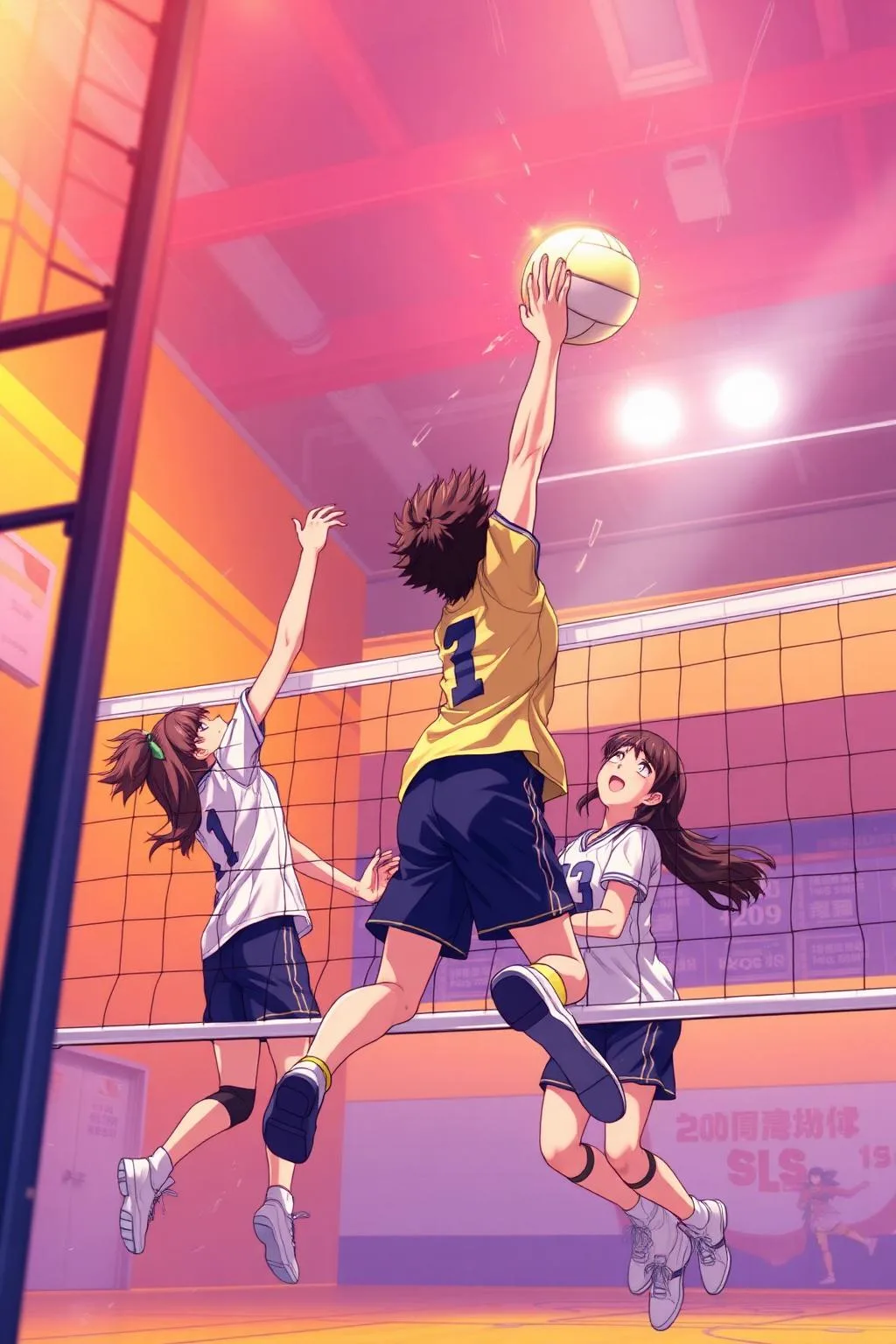
The synchronised attack arc is the series' best teaching moment. It reframes an individual technique as a team system, which means the improvement requires five people to change habits simultaneously — a much harder coaching problem, and dramatised as such.
The lesson generalises to any competitive discipline: individual ceiling is cheap, team execution is expensive, and the gap between them is where coaches earn their salary.

Discussion(0)
Share your read of this piece. Notes are saved to this browser only — no account, no tracking.
Comments are stored locally in your browser so you can keep your own reading notes on this page. Be kind, and tag spoilers.