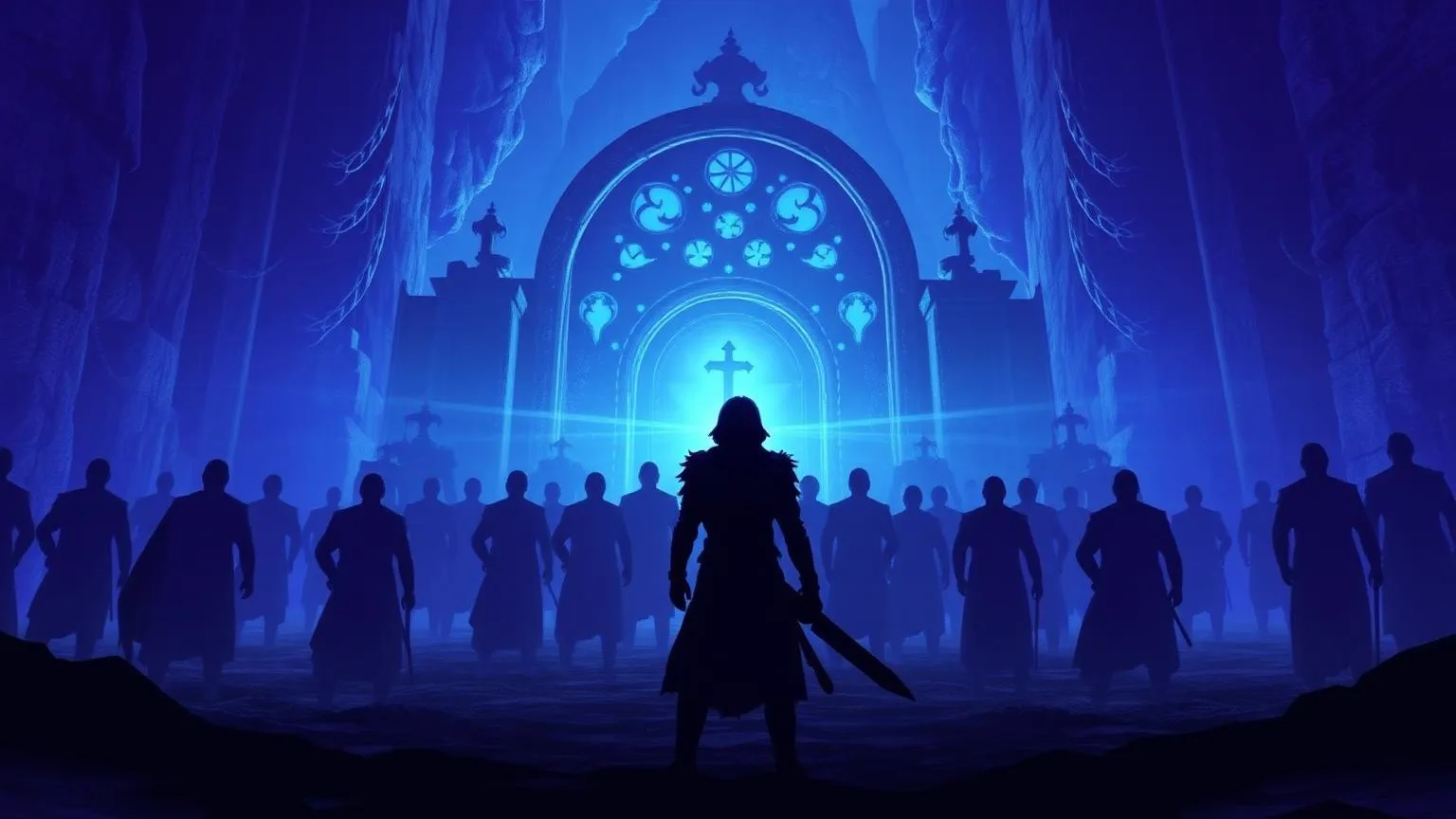
Combat System Design: What Anime Fights and Game Bosses Steal From Each Other
Telegraphs, punish windows and second phases — the shared grammar of on-screen and in-hand combat.
Boss design and fight direction converged years ago and nobody wrote it down. Both disciplines depend on the telegraph: a wind-up long enough to be readable, short enough to be threatening. In a game it teaches you when to dodge. On screen it teaches the audience to feel the dodge before the character makes it.
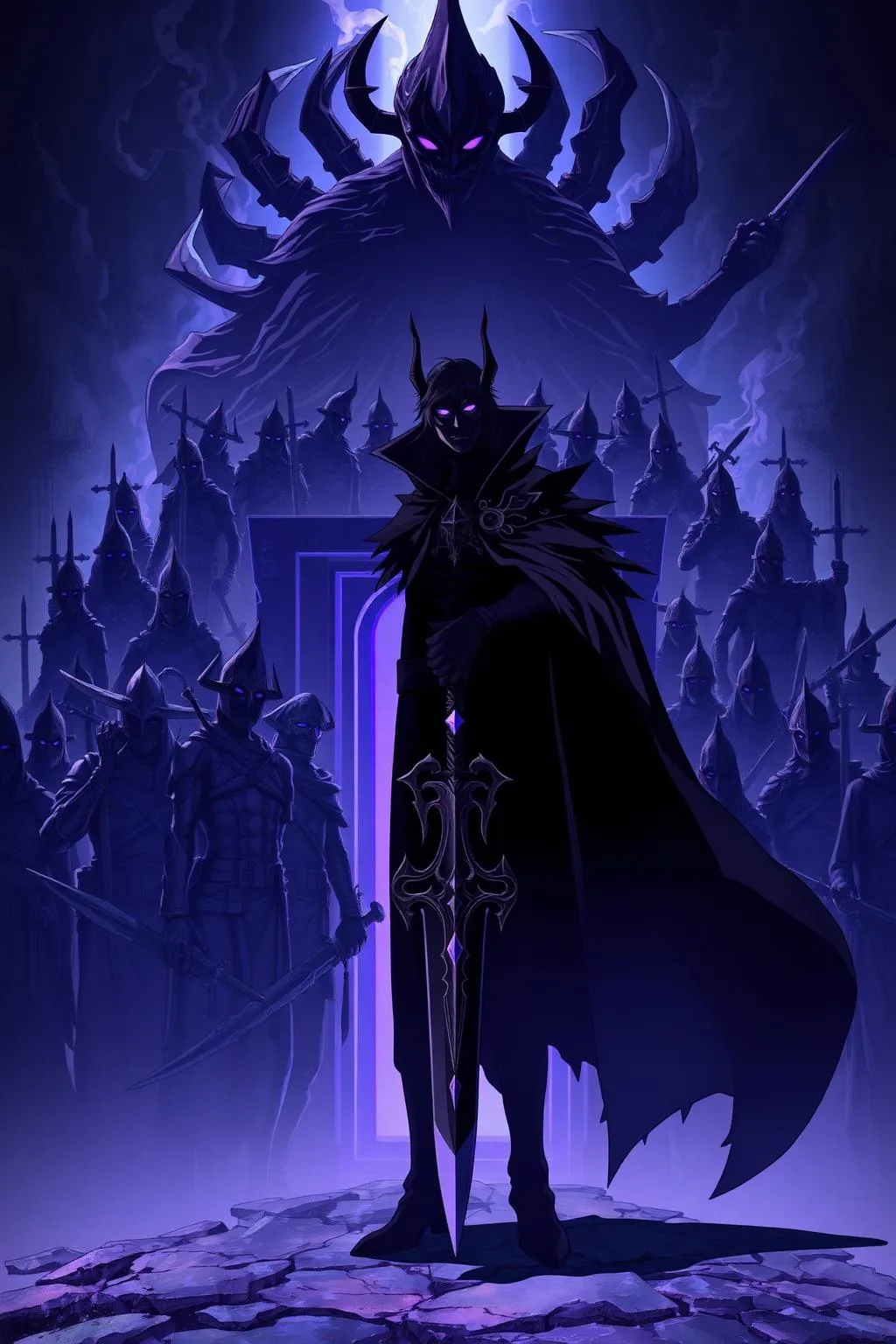
Second phases are the other shared invention. A boss that changes movesets at fifty percent health is doing exactly what a shonen antagonist does when the transformation music starts — resetting the audience's model of the fight so the tension curve can climb twice.
Where they diverge is agency. A game can afford an unreadable attack once, because you will retry. An anime cannot; a fight that stops making sense loses the audience permanently. That is why the best action directors are stricter about spatial continuity than most game designers ever need to be.
Solo Leveling is the interesting hybrid case: it is a game-shaped story animated with anime grammar, complete with visible stat screens and a boss ladder. When it works, it works because A-1's staff obey the fight-direction rules even while the fiction obeys the game ones.

Discussion(0)
Share your read of this piece. Notes are saved to this browser only — no account, no tracking.
Comments are stored locally in your browser so you can keep your own reading notes on this page. Be kind, and tag spoilers.